
I know exactly the feeling. Most days, I feel like I’m running on empty after giving everything to my family, and by the end of the day, I’m just wiped out. This mom self-care guide includes faith and practical strategies to help busy Muslim moms reclaim their rest and restore energy in everyday life.
If you’re a mom too, you probably know exactly what I mean. There’s always something to do for either the house or the family (or both), and sometimes I feel guilty just for wanting a little time for myself. Instead of waiting until the end of the day, I’ve learned to weave in short moments. For example, 10-15 minutes to drink coffee in peace after school drop-off or a moment to myself while the baby naps. These small windows have really made a difference.
Even these simple things can really help with stress and tiredness. When the kids are in school, resist the temptation to immediately wash the dishes, do the laundry, or pick up around the house. Taking a quiet moment for yourself before tackling these things will help you feel refreshed. Like they say, we can’t pour from an empty cup!

As a mom of two little boys, I’m still figuring out how to fill my own cup. I started this blog to share my ups and downs with you, my fellow moms – what’s been tough for me and what’s actually helping so you can find realistic ways to make time for self-care amidst the daily to-do list (which, by the way, never ends).
I want to tell you how I’m trying to fit ibadah (worship) into my crazy, busy days. It’s definitely not perfect or pretty, but I’m learning as I go. I’m not giving you a checklist – just some low-pressure, faith-based ideas that have helped me find a little more peace and energy for my kids and family.
I hope that by the end of this, you’ll feel okay about putting yourself first sometimes, which is a part of respecting the role Allah gave us as moms. Let’s get started on this self-care journey together.
Key Takeaways
- Prioritizing your mental health is essential, not selfish, and is supported by scientific research.
- Motherhood burnout and guilt are common and can be addressed with compassion.
- Our Muslim faith can be a foundational pillar for a sustainable self-care routine.
- Simple, integrated practices can restore your energy and sense of peace.
- Reclaiming your well-being strengthens your ability to care for your children.
Table of Contents
- Introduction to Faith-Based Mom Self Care
- Mom Guilt and Burnout: When Muslim Mothers Forget about Self-Care
- Integrating Faith and Self-Care Practices
- Building Your Mom Self-Care Toolkit
- Creating a Personalized Self-Care Routine
- Nourishing Your Body and Mind
- Incorporating Gentle Postpartum Exercise and Rest
- Strengthening Family Bonds and Seeking Support
- Embracing Self-Discovery Beyond Motherhood
- Conclusion
- FAQ
Introduction to Faith-Based Mom Self Care
We pour so much love and energy into our children that most of the time, there’s nothing left for ourselves. This short guide focuses on practical, faith-centered ways to protect tiny pockets of time so we can care for our mental health and recharge our souls – even when our days are overbooked with family to-dos!
Recognizing the Challenges of Motherhood
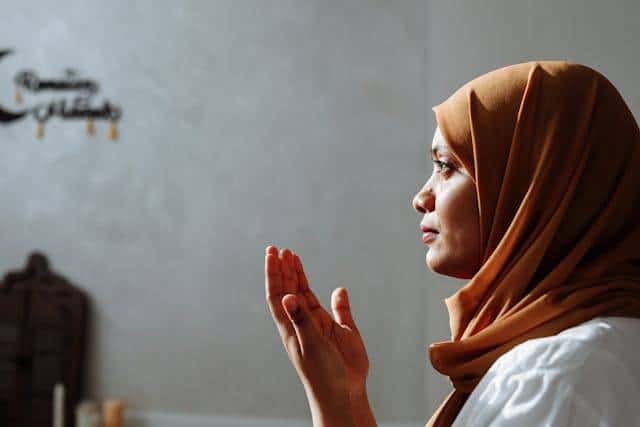
Motherhood is amazing, but it can also feel like you’re on the go 24/7. Among feeds, school runs, and chores, you might find yourself stretched thin, losing parts of your identity. The first step is to notice fatigue or frustration and give yourself permission to take it easy.
- Quick sign to watch for: You don’t enjoy things you used to or feel more irritable than usual.
- Action step: If you notice that feeling, take a few minutes to do a breathing exercise or write a gratitude note to reset.
Why Self Care Matters for Muslim Mothers
Looking after your health and mind isn’t just something extra to do – it’s really important. When you make small, consistent choices to care for yourself, you handle the daily chaos with more patience and presence. Even a brief exercise, a healthy (and delicious) snack, or a focused dua can shift your energy.
Something easy you can do: During your baby’s morning nap, sit quietly, breathe slowly for a few minutes, engage in a short dhikr, then sip water or tea. These micro-moments add up and help you find time for yourself without needing a big schedule change.
Mom Guilt and Burnout: When Muslim Mothers Forget about Self-Care
It’s so normal to feel like you’re not doing enough – especially when you scroll through other moms’ days or feel pressure from family and community. That mom guilt is real, and most of the time it’s tied to exhaustion. Struggling doesn’t mean you’re failing. I often pause and ask myself: Am I expecting too much? Am I doing my best with what Allah has given me right now?
What is Mom Guilt?
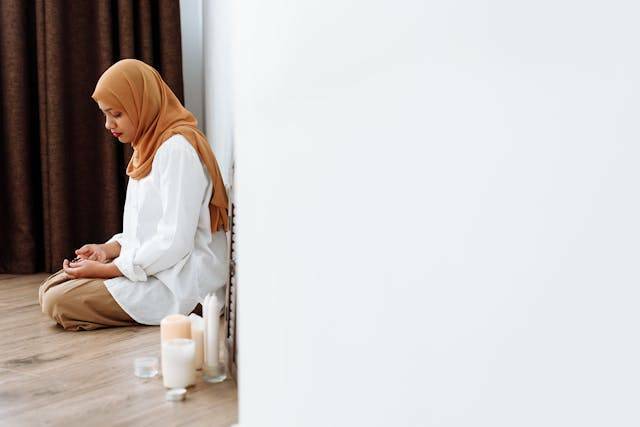
Allah doesn’t expect us to be perfect. In Islam, children are an amanah – a trust from Allah – and part of honoring that trust is taking care of ourselves so we can care for them. You are not a robot; protecting your well-being is part of taking care of your family.
Identifying Signs of Mom Burnout
Burnout can be easy to miss. If you feel any of these signs, then you know you need to take it easy and prioritize caring for yourself:
- Feeling constantly tired or low on energy, even after sleeping
- Increased irritability or less interest in activities you used to enjoy
- Difficulty concentrating or completing simple tasks on your to-do list
- Feeling overwhelmed by routine parenting tasks or being impatient with your kids
When I notice these signs, I remind myself to slow down – even for a few minutes – and take a simple restorative action. For example, I’ll tell myself: “This is temporary. I’m doing my best today; a small nap will help.” If sleep or exhaustion continues, consider reaching out to your healthcare provider for tailored advice, especially after childbirth.
Recognizing guilt and burnout is the first step. Here are some practical, faith-based ways to recharge in short windows throughout your day.
Integrating Faith and Self-Care Practices
How do we make room for ibadah when life with kids is nonstop? Small, intentional practices can be powerful: focused salah, a few minutes of dhikr, or a short dua can become tiny breaks that support your mental health and help you find time for yourself during the day.
For me, being intentional during salah turns an obligation into a moment of renewal. If my husband is available to watch the kids, I can focus more fully on my salat and have a calmer and clearer mind. You don’t need a spa or hours of alone time – just a few mindful minutes included in your routine can change how you feel.

Using Prayer and Dhikr to Recharge
Salah is akin to meditation. It connects you to Allah and gives a chance to breathe, reflect, and reset. If you’re unable to perform salah because of postpartum bleeding or your period, dhikr and dua still give you a chance to reset and a way to connect with Allah. These short practices really help me navigate the challenges of motherhood.
Try this simple practice: while you are reheating food or preparing a snack, do three deep breaths and engage in dhikr for about 3 minutes – this can lower stress and bring you back to the present.
| Practice | Time Needed | Core Benefit | Simple Tip |
| Salah (Obligatory Prayer) | 5-10 minutes | Connect with Allah and find inner peace | Reflect on the meanings of your recitations; treat it like a short reset. |
| Dhikr (Remembrance) | 3-5 minutes | Shifts focus away from anxieties related to the dunya | Do your daily adkhar while preparing a meal, making coffee, or soothing your child. |
| Dua (Personal Supplication) | Any moment | Reminds you that Allah cares for your needs | Make a short dua after Fajr or before bed – keep a small list of personal duas on your phone. |
Above is a quick reference for practical, faith-based ways to recharge in short windows. These small, repeatable practices are easy ways to protect your wellbeing and stay connected to Allah while caring for your family.
Building Your Mom Self-Care Toolkit
Taking care of yourself doesn’t have to be complicated. I do a few simple and realistic things with intention – like sitting down and enjoying a hot cup of coffee, writing in my gratitude (Alhamdulillah) journal, or walking outside for fresh air. These little things, done often, help me feel less stressed and more peaceful throughout the day.
Simple Strategies for Daily Renewal
One habit that’s helped me is a quick gratitude journal. I start each entry with “Alhamdulillah for…” and it shifts my mood almost immediately. Research shows that expressing gratitude can positively impact physical and mental health.
Other small practices that make a difference: a two-minute stretch, a short call with a supportive friend, or a focused moment of dhikr. The goal isn’t to pile more onto your plate but to build tiny, repeatable routines that bring you calm.

| Strategy | Time Commitment | Key Benefit | Quick Tip |
| Gratitude Journaling | 2-3 minutes | Shifts mindset to positivity | Before bed, write one thing you are thankful to Allah for; keep the journal by your bed. |
| Mindful Movement | 5 minutes | Releases physical tension | Try gentle neck rolls or shoulder circles while your baby plays nearby. |
| Call a friend | 10 minutes | Prevents isolation, boosts mood | Phone a friend during a nap or on a short walk – voice calls can feel more supportive than texts. |
Your self-care toolkit should fit your life – pick what brings you the most peace and keep it simple.
Creating a Personalized Self-Care Routine
Treating my own needs as non-negotiable is how I actually stick to self-care. When I schedule small “me time” blocks, I follow them like any other appointment. That consistency is what makes self-care become part of everyday life.

Scheduling “Me Time” Amidst Family Responsibilities
If your baby naps for an hour, use even a 20–30 minute window for yourself – not for chores. Sometimes I walk, do a quick stretch, or rest with my eyes closed. I add it to my to-do list like any important task. Not sure how to ask your husband for support? Try saying: “I would recharge better if I had 20 minutes after dinner. Can you put to kids to bed tonight so I can rest?” Clear, practical requests often work best.
Adapting Routines to Fit Your Baby’s Schedule
Build a routine around your baby’s rhythm. When you are tempted to scroll on your phone, swap it for a one-minute breathing exercise, a sip of water, or a few minutes of dhikr. These small switches – done every day – teach your kids healthy habits and make self-care an ordinary part of family life.
Try one or two of these practices for a week and notice how calmer and less overwhelmed you feel.
Nourishing Your Body and Mind
What we eat and how we rest directly affects our energy and mood – especially if you’re breastfeeding. I don’t follow strict diets, but I try to eat mindfully and give my body what it needs so I have the energy for the day.

Healthy Eating and Breastfeeding Tips
Feeding your body well is a way to prioritize your health and maintain your milk supply if you’re nursing. Planning simple, nourishing options ahead of time keeps you from scrambling when you’re tired.
- Prep snacks on the weekend: Chop veggies, portion hummus, or hard-boil eggs so you can easily grab a healthy choice.
- Easy snack ideas: Greek yogurt with nuts, banana with nut butter, whole-grain toast with avocado – quick and energizing.
- Involve your kids: Let them wash fruit or stir oatmeal – it teaches healthy habits and saves you time.
- Fill up a water bottle: Set a reminder on your phone to sip regularly; hydration helps energy and breastfeeding.
- Accept help: A friend dropping off a meal or a neighbor bringing rice and salad are amazing forms of support.
If you have specific nutrition concerns while breastfeeding, talk to a lactation expert or your healthcare provider for advice. Also, check out this article on nutrition for breastfeeding mothers.
Incorporating Gentle Postpartum Exercise and Rest
Your body just did something amazing, mama. It deserves gentle movement and plenty of rest. Even short, consistent activity can improve mood and sleep quality – start small and listen to your body.

Quick, Low-Intensity Workouts for Exhausted Moms
I believe that there is no need to rush back into your regular exercise routine right after giving birth. In fact, you may find this difficult since you will be spending most of your time caring for your newborn! It’s very important that you give your body time to recover from childbirth and start with gentle exercises if you are feeling up to it.
You could start with safe exercises like walking while pushing the stroller, low-impact aerobics, or pilates. The most beneficial exercises to do are abdominal and pelvic floor exercises. Learn how to do exercises after pregnancy safely and effectively.
Before starting any exercise program, be sure to check with your doctor at your six-week post-partum visit. The most important thing is not to over-exert yourself right after giving birth.
Do what feels right for your body.
Establishing a Restful Sleep Routine
There is a cliché we hear a lot: “Sleep when the baby sleeps.” But honestly, this is actually an important tip to follow in the early days of motherhood. Babies will sleep when they want to, not when you want them to sleep. It’s important that you get rest and have enough energy to take care of them when they are awake.
As your baby gets older, they will start having a somewhat consistent bedtime. At this stage, you might find that you have some time for yourself at night. You could choose that time to have a short, calming routine for yourself before you sleep. What I like to do after praying Isha and making dua is clear my mind by writing down tasks for the next day, and if my toddler hasn’t woken up, I can read a few verses of Quran. Right before bed, I take my vitamins and any medications along with water.
You can create any routine that helps you feel calm before bed – a quick skincare practice, dhikr, reading Quran and/or beneficial Islamic literature, as well as focused dua.
To make this easier to maintain on a daily basis: ask your spouse or family member to help with things like dinner or dishes. That way, you can take care of other things so you can do your routine and get ready for bed right after your baby falls asleep.
If you experience sleep problems, make sure you seek advice from your doctor.
Strengthening Family Bonds and Seeking Support
A strong family works as a team – everyone should pitch in rather than one person carrying it all. Asking for help is a sign of strength, not weakness, and it’s one of the best ways to protect your mental health and keep your family thriving.
How to Ask for Help Without Guilt
Your health matters, mama. If you need extra support, reaching out to a culturally competent counselor or a faith-friendly therapist can be a huge help. You don’t have to do this alone – support strengthens the whole household.
Try making clear requests:
- Partner: “I’m exhausted and would be more present with the kids if I had 20 minutes after dinner to recharge. Can you put the kids tonight or on (these days) of the week?”
- Parent or in-law: “Would you be able to watch the kids for an hour this Saturday so I can rest and run an errand?”
- Sister or friend: “Since you are coming over anyway to see the baby, would you mind watching her while I take a nap/shower?”
Communicating Your Needs with Loved Ones
Choose a calm moment – often a time when the kids are asleep or during a quiet afternoon to explain one specific need. Frame it around the family’s well-being: “If I could get 20 minutes of uninterrupted rest after dinner, I’d be more patient and present.” Being specific makes it easier for others to help.
Embracing Self-Discovery Beyond Motherhood
Motherhood is a huge part of your life, but it doesn’t have to erase your personal goals and interests. Nurturing what lights you up actually helps you be a happier parent.
Exploring Personal Interests and Goals
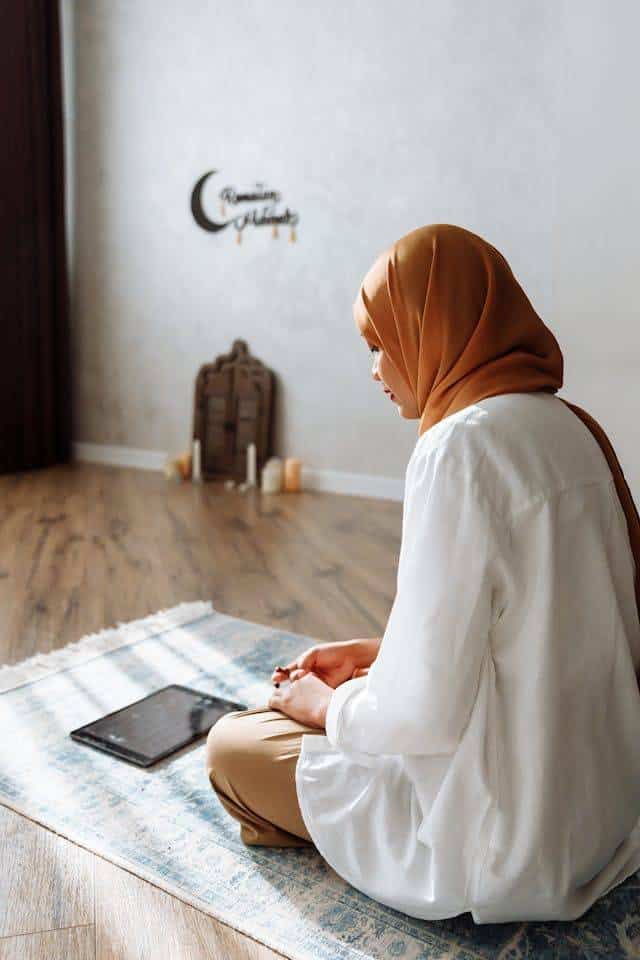
You don’t need hours – even 30 minutes help. Use a nap window or a short carpool drive to reconnect with your hobbies or learning.
- Keep a sketchbook or journal handy: Write down thoughts or doodle during a nap window or while waiting for appointments.
- Listen to an audiobook or podcast: Great when you are folding laundry or during a short walk.
- Try a five-minute online tutorial: Learn a new skill on YouTube. The possibilities are endless!
Practical idea: Use the baby’s mid-morning nap for a 10–15 minute activity that’s just for you – salah with full concentration, a quick shower, or a chapter of a book. Small, consistent practices help you reclaim a sense of self without taking time away from your family.
If you want Muslim mental health resources, check out this resource.
Conclusion
Taking care of yourself is a part of our Muslim faith and shows real strength. If you want to find time for mom self-care every day, start with small, consistent habits that fit into your life – not big changes. The key is balance, not perfection. Just take small steps each day and build a routine that actually works for your family and schedule.
And don’t feel bad about asking for help. Your family and friends often want to support you; letting them know one specific way they can help makes it easier for them to step in. Grab rest whenever you can, even if it’s just for a few minutes.
You’re doing an amazing job. Looking after yourself is one of the best ways to honor the gift and responsibility of motherhood that Allah gave you.
If this post helped, please comment below and let me know what challenge you are struggling with when it comes to caring for yourself.
FAQ
Start with tiny, intentional moments. Example: use five minutes while your coffee brews for quiet dhikr, or take three deep breaths before answering a call. Protect small windows in your day – a baby’s nap, right after a meal, or the school drop-off – and treat them like appointments. These even minutes add up.
Yes – many moms feel that way. Looking after yourself is not selfish; it’s the best thing you can do for your kids. The Prophet Muhammad (sallalahu alayhi wa salam) emphasized moderation in life. You cannot pour from an empty cup. Prioritizing your health helps you care for your family with more patience and less overwhelm.
Try these quick practices: listen to a short Quran recitation while preparing a snack, pray slowly and focus on meaning, or keep a journal by your bed to write one thing you are thankful to Allah for each night. These habits build up spiritual support into your daily life.
Be specific: “I would be a more patient parent if I could have 20 quiet minutes after dinner to recharge. Can we figure out a way to make that happen?” Framing it around the family’s well-being makes it easier to hear. Offer one concrete idea and thank them when it works.
Focus on rest quality over quantity. Try a five-minute pre-bed ritual: dim the lights, read a few verses or a short dua, sip water. During the day, close your eyes for a 15-minute rest instead of scrolling your phone. Try these: (1) turn off screens 30 minutes before bed, (2) do a few minutes of breathing or stretching routine, (3) ask husband to cover one bedtime this week. If sleep disruption continues, consult a healthcare provider for personalized help.

Leave a Reply